
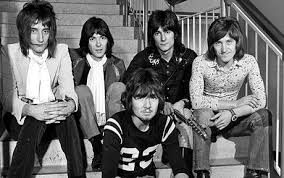
The Faces Store: Inside the Band That Redefined Retro Rock
The Faces Store isn’t just a name you’ll see on a vintage‑style sign—it’s the heartbeat of a band that reshaped retro rock for a new generation. From smoky clubs to streaming playlists, their story is a masterclass in blending nostalgia with fresh energy, and it all revolves around a singular, iconic storefront that became a cultural landmark.
Origins of the Band
The group formed in the early 2000s, when indie musicians were digging through crates of vinyl for inspiration. They met at a local rehearsal space, bonding over classic riffs from the ‘70s and ‘80s. Their chemistry was immediate, and they began crafting songs that felt both familiar and daring.
Early gigs were raw and intimate, playing to crowds who craved a revival of the gritty, unpolished sound that defined an era. Their name, a nod to the iconic 1970s rock collective The Faces, signaled a reverence for the past while promising something new.
Reviving Retro Rock
The band’s breakthrough came when they infused retro rock with modern production techniques. They used analog equipment to capture warmth, then layered crisp digital tracks for clarity. This hybrid approach gave their music a timeless quality.
Lyrics tackled contemporary themes—technology overload, social media anxiety—yet were delivered with the swagger of classic rock storytelling. Listeners felt a bridge between generations, hearing familiar chords while relating to current narratives.
Critics praised their ability to honor tradition without imitation. Their debut album charted in several countries, and tracks quickly became staples on college radio and streaming playlists alike.
The Faces Store: A Cultural Hub
Beyond music, the band opened a physical space called The Faces Store, designed as a community gathering spot. The storefront sported reclaimed wood, neon signage, and walls lined with album art and vintage instruments.
Inside, fans could browse a curated selection of records, merchandise, and memorabilia. Live acoustic sets were held weekly, turning the shop into a venue where emerging artists could share the stage.
The store also hosted panels on music history, vinyl preservation, and the art of songwriting. By fostering dialogue, it solidified the band’s role as cultural curators, not just performers.
Local businesses flourished alongside the shop, creating a micro‑ecosystem that celebrated creativity. The Faces Store became a landmark that tourists sought out, cementing the band’s influence beyond the music charts.
Legacy and Influence
Today, the band’s impact is evident in the resurgence of retro aesthetics across fashion, film, and advertising. New acts cite them as a model for blending analog authenticity with digital reach.
Fans continue to congregate at The Faces Store, where the brand’s ethos lives on through events and collaborations. The shop’s online store now ships worldwide, letting listeners experience the tactile joy of vinyl from any continent.
Looking ahead, the band plans to expand the concept, opening pop‑up venues in major cities to replicate the communal vibe of their original space. Their mission remains clear: keep the spirit of retro rock alive while inviting fresh voices to the conversation.
In a world obsessed with the next big thing, The Faces Store stands as a reminder that the past can be a powerful springboard. By honoring the roots of rock and fostering community, the band has redefined what it means to be timeless, proving that genuine connection—whether through a song or a storefront—never goes out of style.